When the Verifier Can Be Wrong — Stanford CS329A Part 3
Stanford CS329A Part 3 traces robust verification from outcome verifiers and process reward models to Math-Shepherd, weak-verifier ensembles, and verifier distillation.
Stanford CS329A Part 3 traces robust verification from outcome verifiers and process reward models to Math-Shepherd, weak-verifier ensembles, and verifier distillation.
Stanford CS329A Part 2 shows why inference scaling is not just about generating more samples, but about allocating compute across search, verification, revision, fusion, and architecture design.
Stanford CS329A Part 1 traces the shift from pretraining scale to chain-of-thought, post-training, inference-time compute, verifiers, and agentic feedback loops.
Stanford’s CS329A shows why self-improving AI is less about one smarter model than a closed loop of search, verification, tools, learning, and long-horizon evaluation.
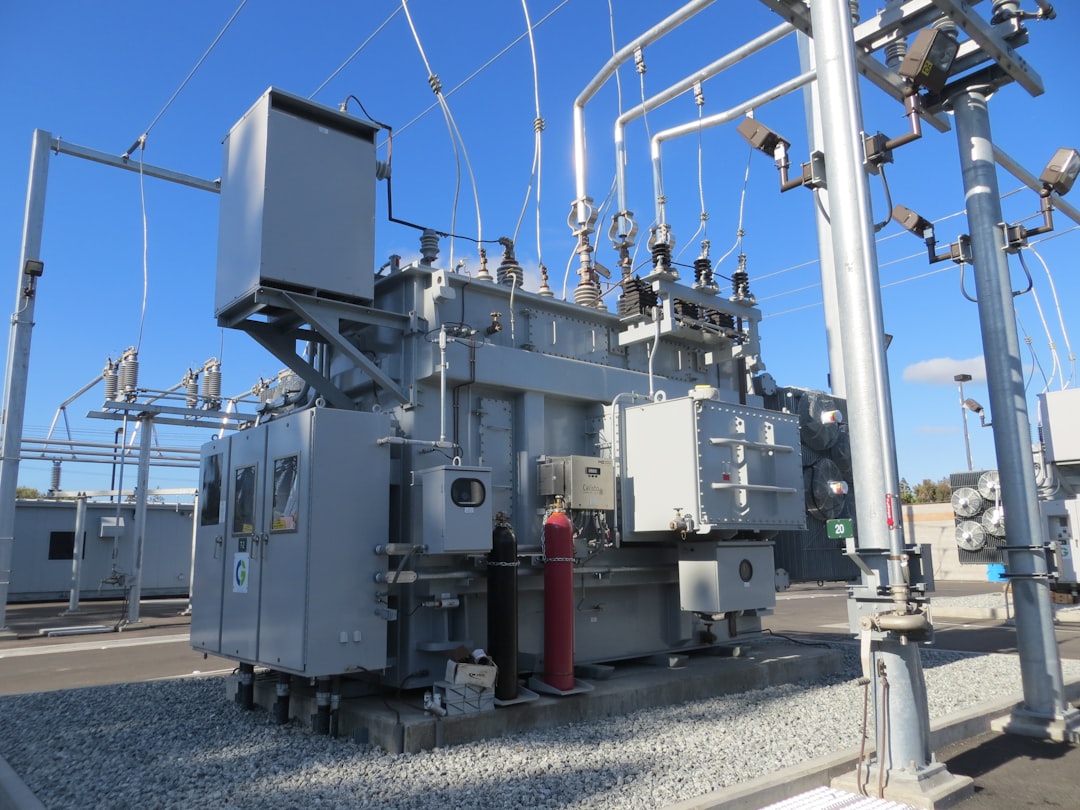
AI data centers are forcing utilities and regulators to solve two problems at once: how to add power quickly, and how to keep the cost and risk of new infrastructure from landing on ordinary ratepayers.

When AI makes one stage of work dramatically faster, the rest of the system does not automatically keep up. Startups, government services, and AI research show what happens next.