2026년에 다시 읽는 일론 머스크의 2022년 미래 구상
2022년 일론 머스크는 자율주행, 휴머노이드 로봇, 뇌-컴퓨터 인터페이스, 스타십을 하나의 낙관적 미래 구상으로 묶었다. 4년 뒤 실제 진척을 대조해 보면 비전, 기술 경로, 일정 예측을 따로 읽어야 하는 이유가 선명해진다.
 seshat
 2022년 일론 머스크는 자율주행, 휴머노이드 로봇, 뇌-컴퓨터 인터페이스, 스타십을 하나의 낙관적 미래 구상으로 묶었다. 4년 뒤 실제 진척을 대조해 보면 비전, 기술 경로, 일정 예측을 따로 읽어야 하는 이유가 선명해진다.
In 2022, Elon Musk linked autonomy, humanoid robots, brain-computer interfaces and Starship into one optimistic future. Four years later, their uneven progress shows why vision, technical direction and timelines should be judged separately.
지하 터널, 전기차, 태양광, 재사용 로켓, 화성까지. 2017년 TED 대담을 하나의 흐름으로 보면 일론 머스크가 기술과 미래를 연결하는 방식이 드러난다.
A 2017 TED conversation connects tunnels, electric cars, solar energy, reusable rockets and Mars through one larger idea: progress should solve real problems and make the future feel worth anticipating.
Bo Seo의 RISA는 논쟁을 시작하기 전에 실제 의견 차이인지, 중요한지, 쟁점이 구체적인지, 서로 대화 목적이 맞는지 묻는다.
Bo Seo’s RISA framework asks whether a disagreement is real, important, specific, and aligned before anyone begins arguing.
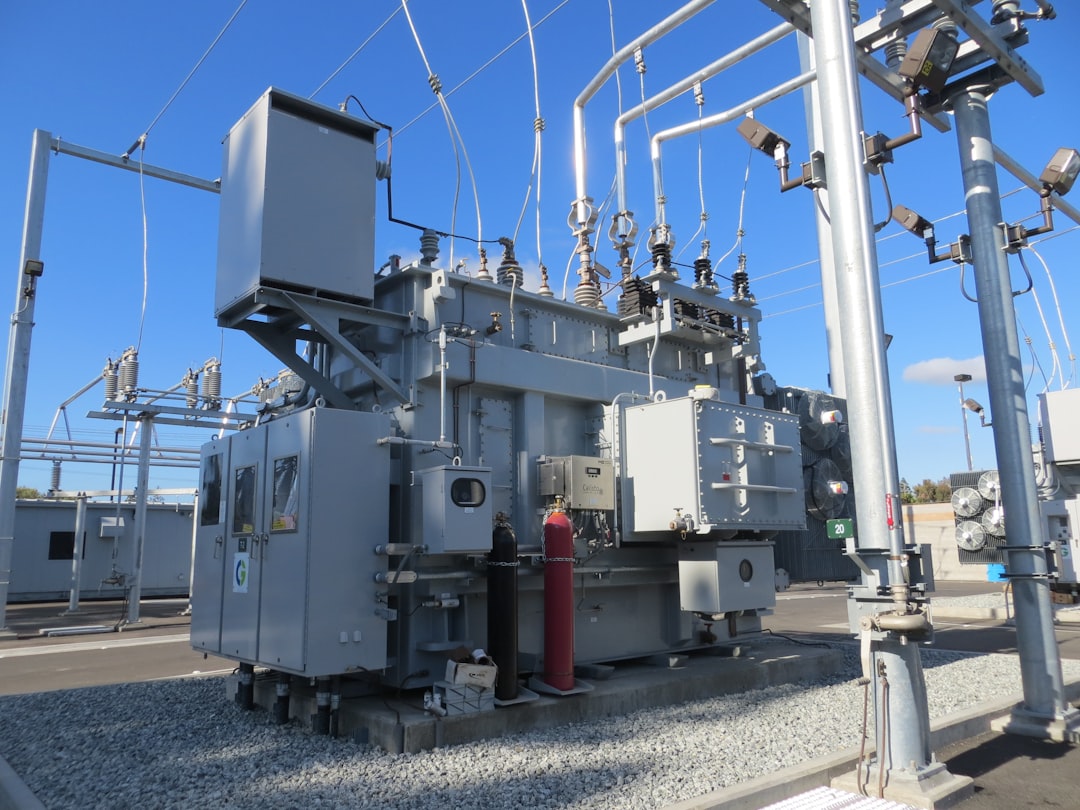
AI 데이터센터의 전력 문제는 발전량만의 문제가 아니다. 필요한 전력을 얼마나 빨리 연결할지, 그리고 신규 전력망 비용과 위험을 누가 부담할지가 새로운 핵심 쟁점이 되고 있다.
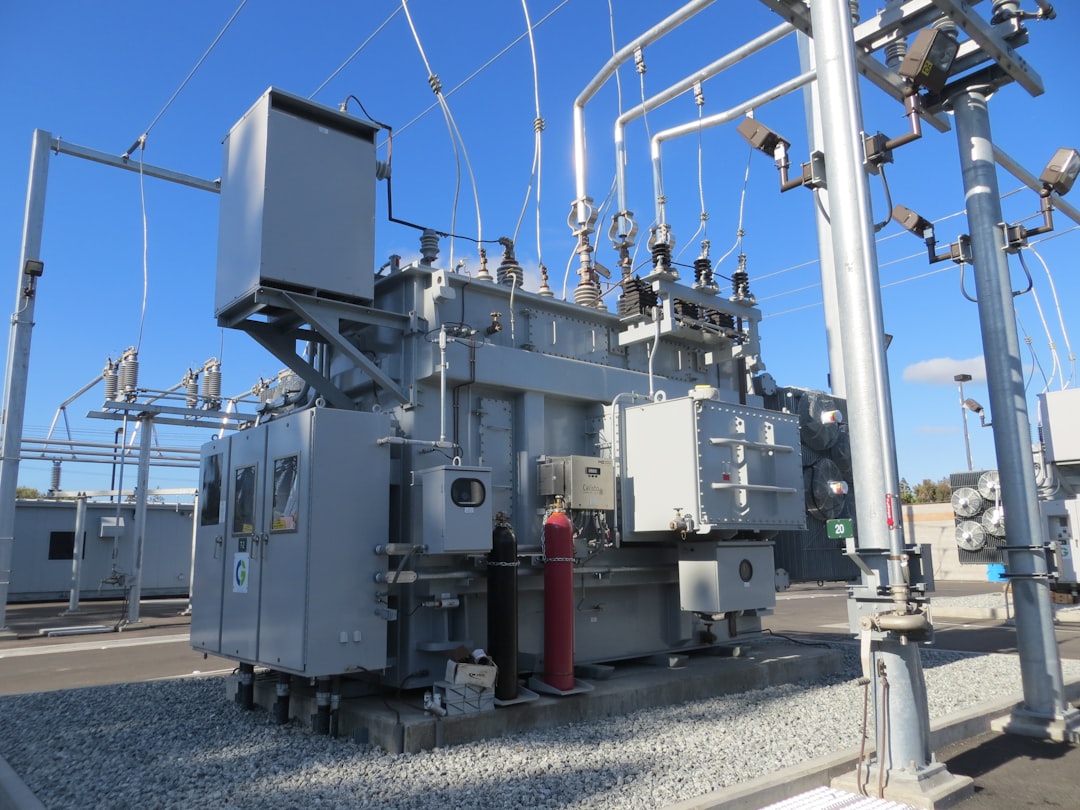
AI data centers are forcing utilities and regulators to solve two problems at once: how to add power quickly, and how to keep the cost and risk of new infrastructure from landing on ordinary ratepayers.
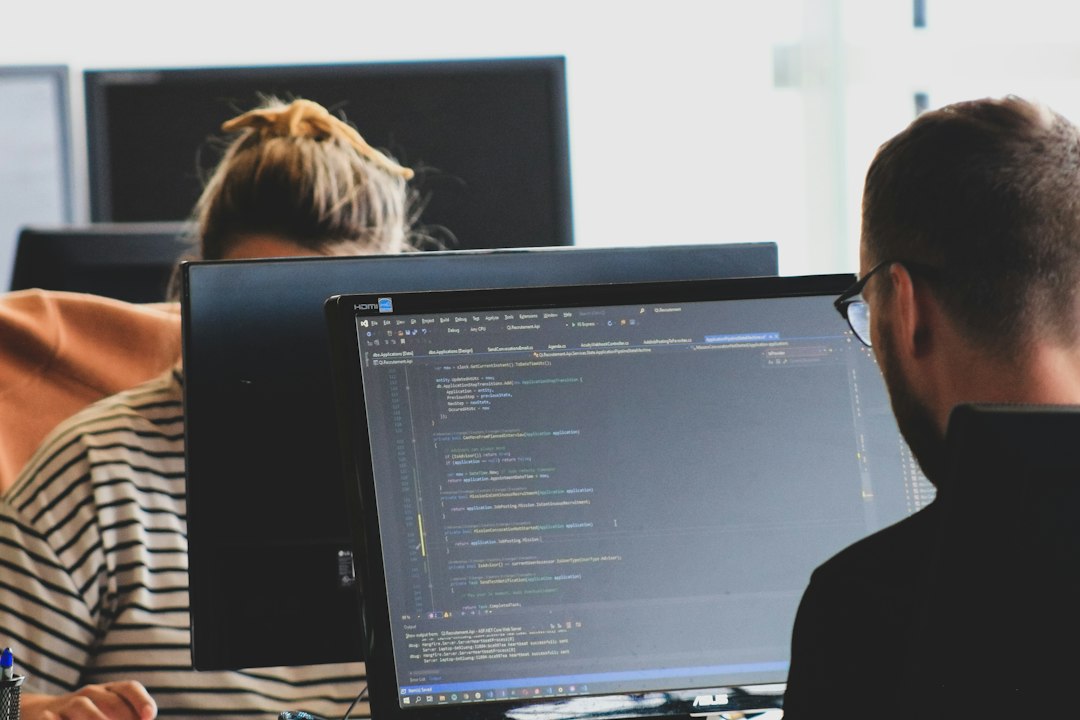
AI가 한 단계의 비용을 낮춘다고 전체 시스템이 같은 속도로 빨라지는 것은 아니다. 스타트업, 행정, AI 연구를 함께 보면 새롭게 비싸지는 일이 보인다.
When AI makes one stage of work dramatically faster, the rest of the system does not automatically keep up. Startups, government services, and AI research show what happens next.