파워 포징, 14년 뒤 다시 보기 — 에이미 커디 TED에서 남은 것과 재현되지 않은 것
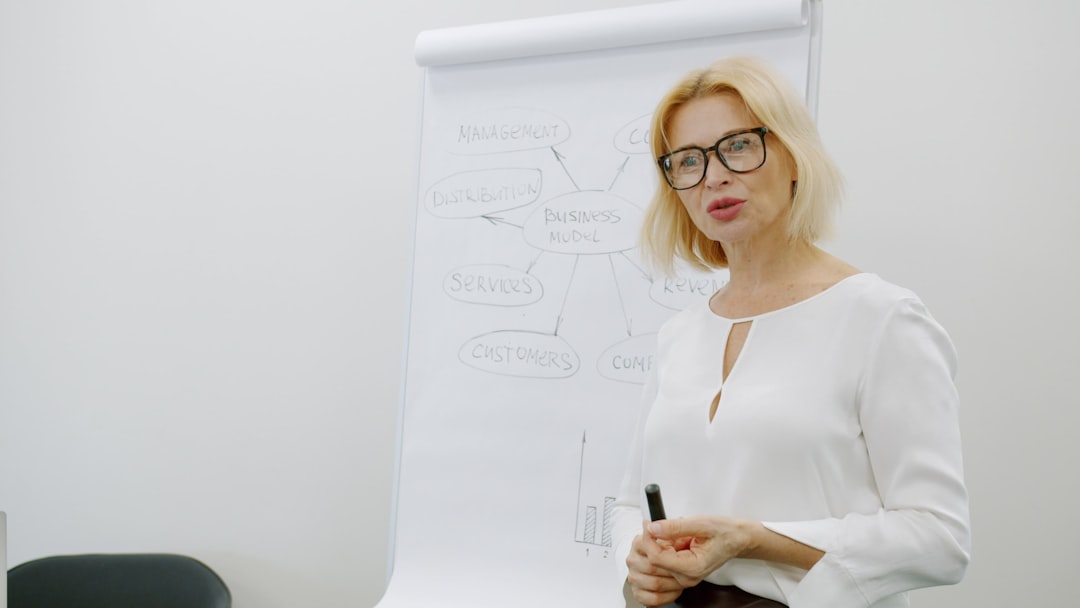
에이미 커디의 2012년 TED는 파워 포징을 세계적인 아이디어로 만들었다. 이후 재현 연구는 호르몬 주장을 약화시켰지만, 자세와 자기인식에 관한 더 좁고 현실적인 교훈은 남았다.
에이미 커디의 2012년 TED는 파워 포징을 세계적인 아이디어로 만들었다. 이후 재현 연구는 호르몬 주장을 약화시켰지만, 자세와 자기인식에 관한 더 좁고 현실적인 교훈은 남았다.
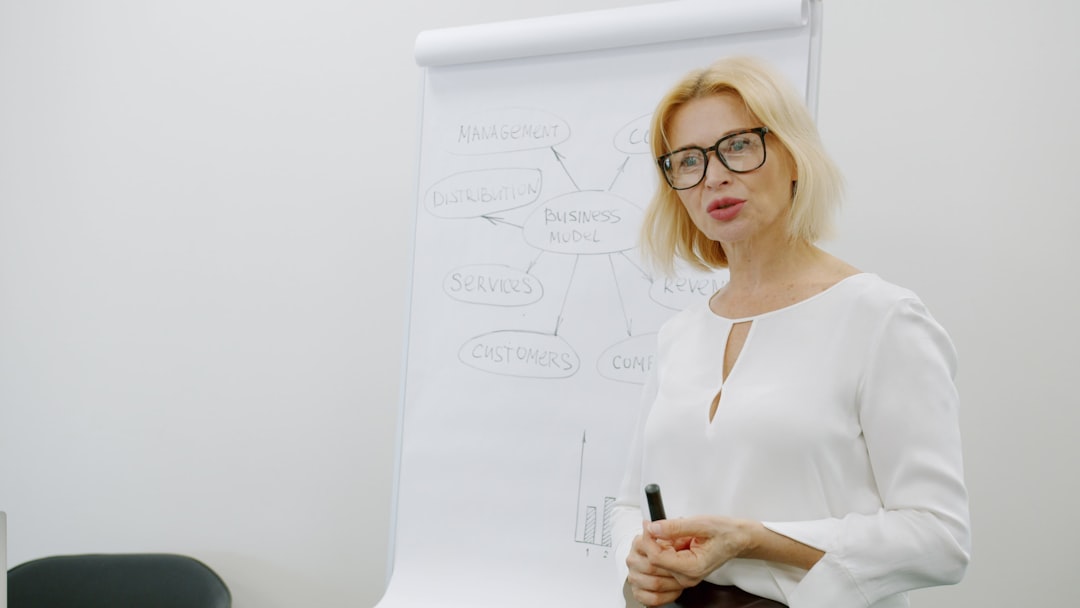
Amy Cuddy’s 2012 TED talk made power posing famous. Later replication research weakened its hormone claims—but left a narrower, more useful lesson about posture, self-perception, and scientific correction.

켄 로빈슨의 2006년 TED 강연을 20년 뒤 다시 읽는다. 지금도 유효한 교육의 질문과 시간이 지나며 약해진 근거를 분리해, 창의성과 지능을 학교가 어떻게 다뤄야 하는지 살펴본다.
Sir Ken Robinson’s 2006 TED talk still asks a useful question: what do schools lose when they reward only a narrow range of human ability? A 20-year reassessment of what still holds up—and what has aged poorly.
2022년 일론 머스크는 자율주행, 휴머노이드 로봇, 뇌-컴퓨터 인터페이스, 스타십을 하나의 낙관적 미래 구상으로 묶었다. 4년 뒤 실제 진척을 대조해 보면 비전, 기술 경로, 일정 예측을 따로 읽어야 하는 이유가 선명해진다.
In 2022, Elon Musk linked autonomy, humanoid robots, brain-computer interfaces and Starship into one optimistic future. Four years later, their uneven progress shows why vision, technical direction and timelines should be judged separately.
지하 터널, 전기차, 태양광, 재사용 로켓, 화성까지. 2017년 TED 대담을 하나의 흐름으로 보면 일론 머스크가 기술과 미래를 연결하는 방식이 드러난다.
A 2017 TED conversation connects tunnels, electric cars, solar energy, reusable rockets and Mars through one larger idea: progress should solve real problems and make the future feel worth anticipating.